

























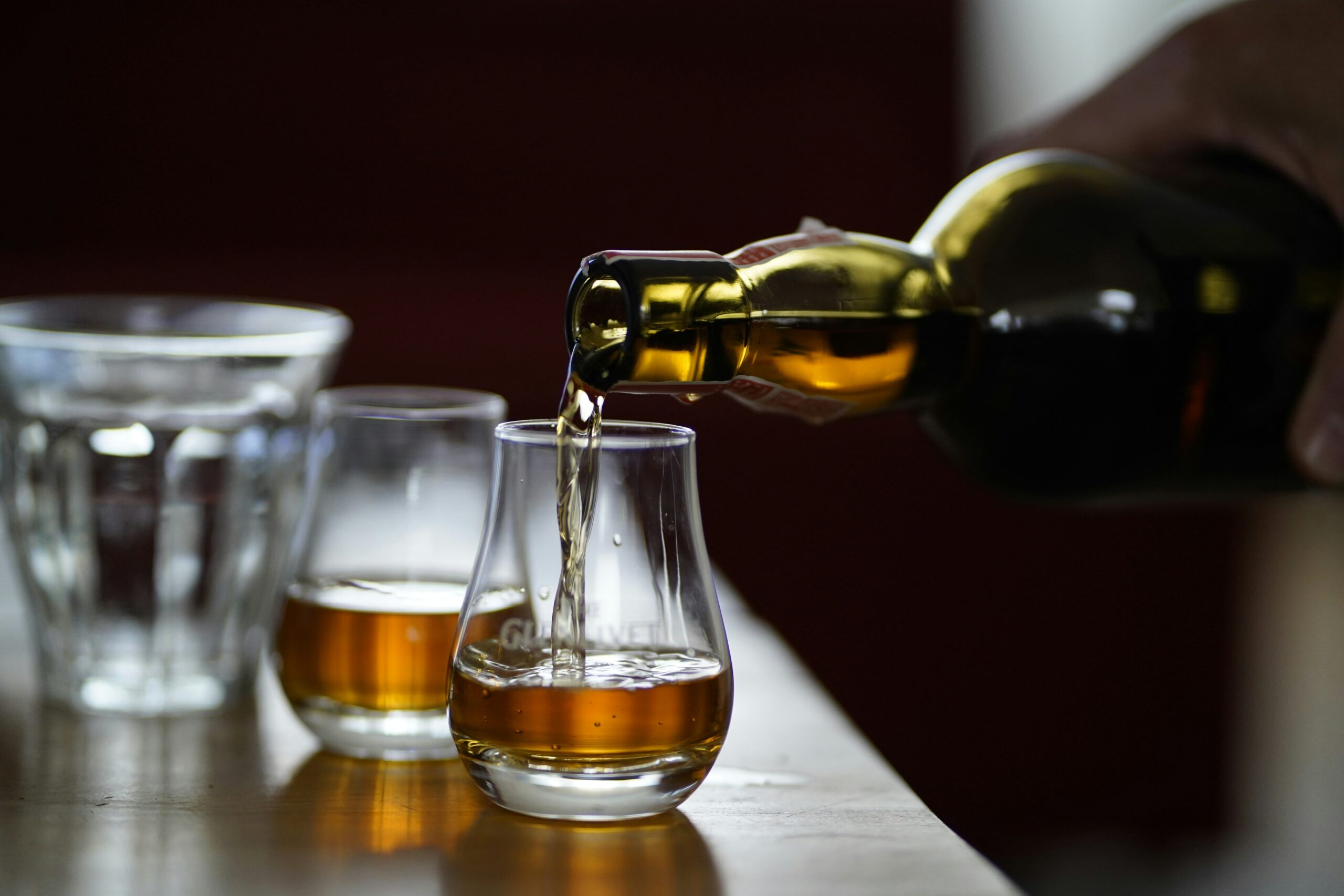
Walking into the world of whisky can feel overwhelming. Labels are filled with unfamiliar terms, bottles range dramatically in price, and styles vary from light and floral to intensely smoky and rich.
Add in differences between Scotch, Bourbon, Irish and Japanese expressions, plus phrases like “single malt,” “cask strength,” and “peated,” and it’s easy to see why many people feel unsure where to begin.
Whether you’re choosing your first bottle or simply wanting to drink whisky with more confidence, understanding the fundamentals transforms the experience.
This guide breaks down what whisky is, how it’s made, the different types and regions, how flavour develops, and how to choose and enjoy it, so you can navigate the shelves (and the tasting glass) with clarity rather than confusion.
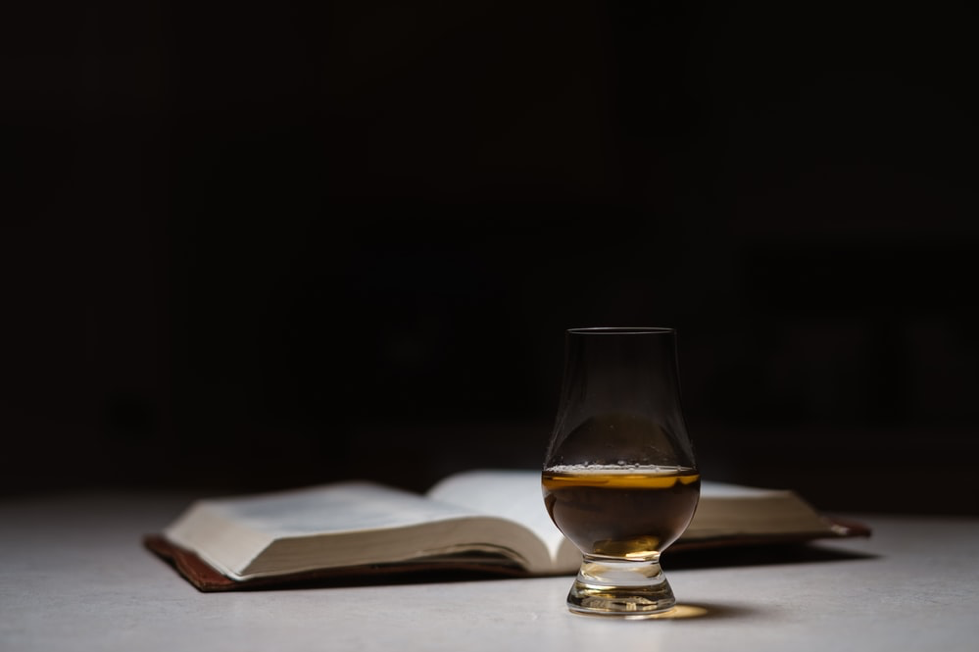
What Is Whisky?
Whisky is a distilled spirit made from a grain mash that has been fermented. Commonly, barley, rye, wheat or corn will be the grains used. The beverage is usually aged in a wooden cask, which enhances its flavour. It is then bottled and enjoyed as a sipping drink or in cocktails.
The grains used, the distillation method, the type of cask and the climate where it matures all shape its character. Though the core ingredients are humble – grain, water and yeast – the final spirit can range from light and floral to dark, spicy, smoky or intensely rich.
How is Whisky Produced?
While production methods vary by country and style, the general process follows these key stages:
- Malting
For malt whiskies, barley is soaked in water and allowed to germinate. This activates enzymes that convert starches into fermentable sugars. The barley is then dried in a kiln. In some cases, peat smoke is used during drying, which imparts smoky flavours.
- Mashing
The dried grain is ground and mixed with hot water to extract sugars, creating a sweet liquid called wort.
- Fermentation
Yeast is added to the wort. It ferments over several days, producing alcohol and creating a beer-like liquid called “wash.”
- Distillation
The wash is distilled in copper pot stills (for single malts) or column stills (for many grain whiskies and bourbons). Distillation increases alcohol strength and refines flavours.
- Maturation
The new make spirit (the clear, unaged whisky) is placed in oak casks and aged for years. The cask type (ex-bourbon, sherry, wine or new charred oak) heavily influences flavour.
- Bottling
After maturation, whisky may be bottled as a single cask, single malt, blended, cask strength or diluted to a standard strength.
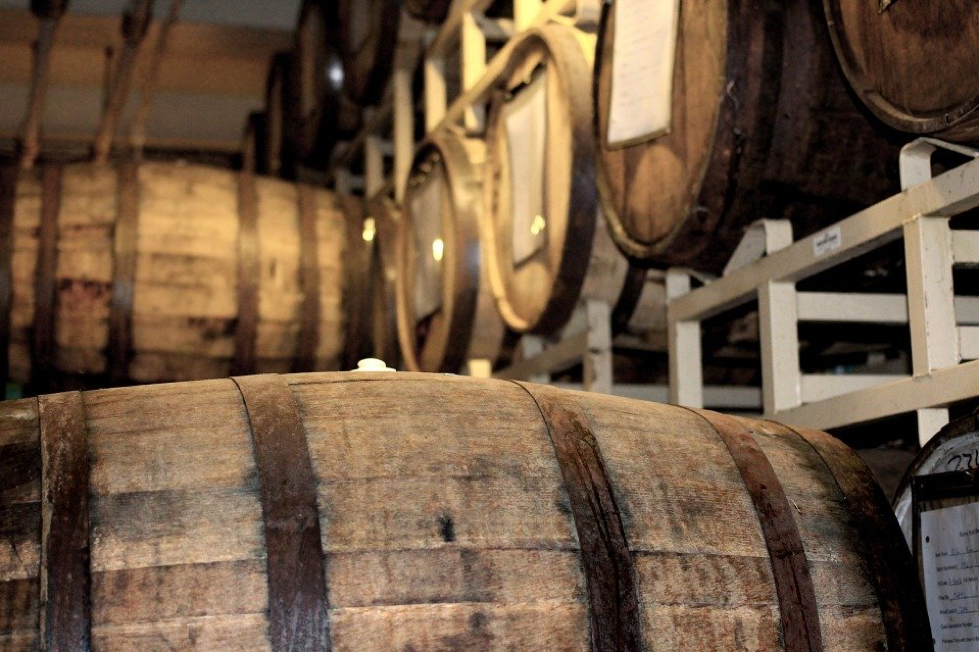
Why Are Casks Used For Whisky?
Casks are a big part of whisky-making. When whisky is aged in a cask, the wood imparts some of its flavour, aroma and colour into the liquid – in fact, around 60% of a whisky’s flavour comes from the cask!
Most whisky barrels will be made from oak, with the wood typically being toasted before use. The toasting of the wood helps to draw out more flavour and can help to soften bitterness while adding spicy, toasty notes to the whisky.
In America, Bourbon barrels will be charred rather than toasted, with the char creating a darker colour and sweeter caramel and smoky taste.
The Different Types of Whisky
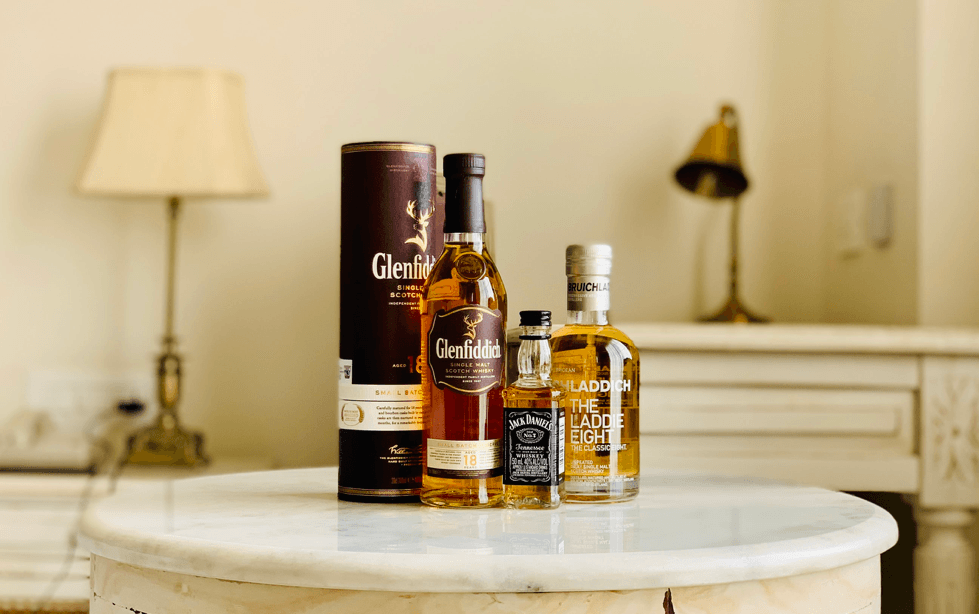
There are several different types of whisky that you can enjoy:
Single Malt Scotch Whisky
Made from 100% malted barley at a single distillery in Scotland using pot stills. It is often complex and expressive of its region.
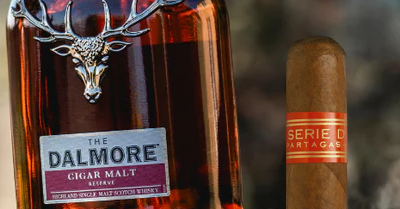
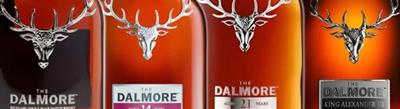
Notable producers include The Dalmore, known for rich, sherry-influenced Highland malts, and The GlenDronach, famed for its deeply sherried style.
Blended Scotch Whisky
A blend of single malt and grain whiskies from multiple distilleries. It is often smoother and more approachable, designed for consistency and balance.
Grain Whisky
Made from grains other than malted barley (such as wheat or corn) and usually distilled in column stills. Often lighter in character and used in blends, though single grain bottlings are increasingly popular.
Bourbon
An American whiskey made primarily from corn (at least 51%) and aged in new charred oak barrels. It tends to be sweeter, with notes of vanilla, caramel and spice. Classic examples include Jim Beam and Maker’s Mark.
Whisky Regions and How They Differ
Whisky is produced in many different countries around the world; however, Scotland, Ireland, America, Canada and Japan are some of the more notable producers.
Each country produces whisky with its own distinct flavour. Some countries also have strict regulations regarding the ingredients and production methods used if the whisky is to be labelled as being from that place or type of whisky.
Scottish Whisky – Scotch
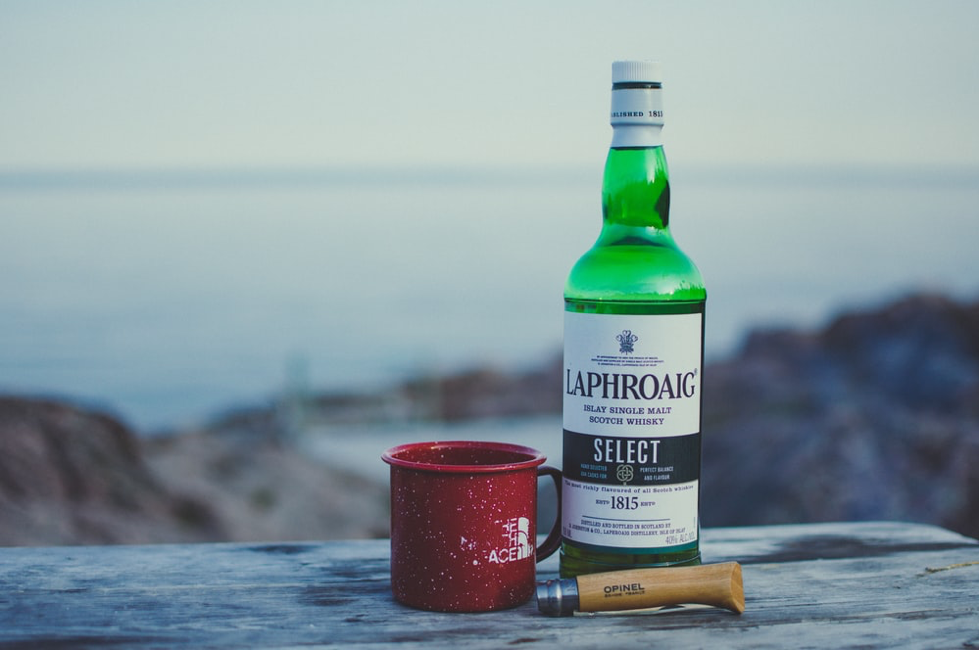
Widely known as Scotch, Scottish whisky is renowned worldwide for quality single malts and blended whiskies.
Whisky is a huge part of Scottish heritage, with over 150 distilleries still operating across six whisky distilling regions in Scotland, each with distinctive traits:
- Speyside – Fruity, honeyed, often sherry-cask matured.
- Highlands – Diverse; from light and floral to rich and spicy.
- Islay – Famous for heavily peated, smoky whiskies.
- Lowlands – Typically lighter and grassy.
- Campbeltown – Maritime and robust.
Legally Scotch
To legally be described as “Scotch”, the whisky must be produced at a distillery in Scotland using water and malted barley. Other whole grains may be added, but the mash must be made at the distillery. The Scotch must also be produced to a minimum alcoholic strength by volume of 40%.
What Does Scotch Taste Like?
Scotland’s cooler climate encourages slow maturation, creating layered complexity, but the taste of Scotch will largely depend on the location of the distillery, the casks used and the specific blend of the whisky. For example, smoky, peaty and salty notes can be found in many whiskies distilled on the coast and islands of Scotland, whereas those made inland tend to offer lighter, creamier whiskies.
What Is Peat in Whisky?
Peat is a dense, naturally occurring material formed from partially decomposed plant matter in waterlogged bogs over thousands of years. In whisky production, particularly in parts of Scotland, peat is cut, dried and burned as a fuel source during the malting process.
When malted barley is dried over a peat fire, the smoke infuses the grain with distinctive compounds called phenols, which later carry through into the finished spirit. This is what gives peated whisky its characteristic smoky, earthy, medicinal or even seaweed-like flavours.
The intensity of peat influence varies widely, from lightly smoky and subtly earthy to powerfully medicinal and maritime, as often found in whiskies from Islay.
Peat is not added directly to the liquid; rather, its impact comes entirely from the smoke used during drying, making it a flavour derived from process rather than an ingredient in the bottle.
American Whisky
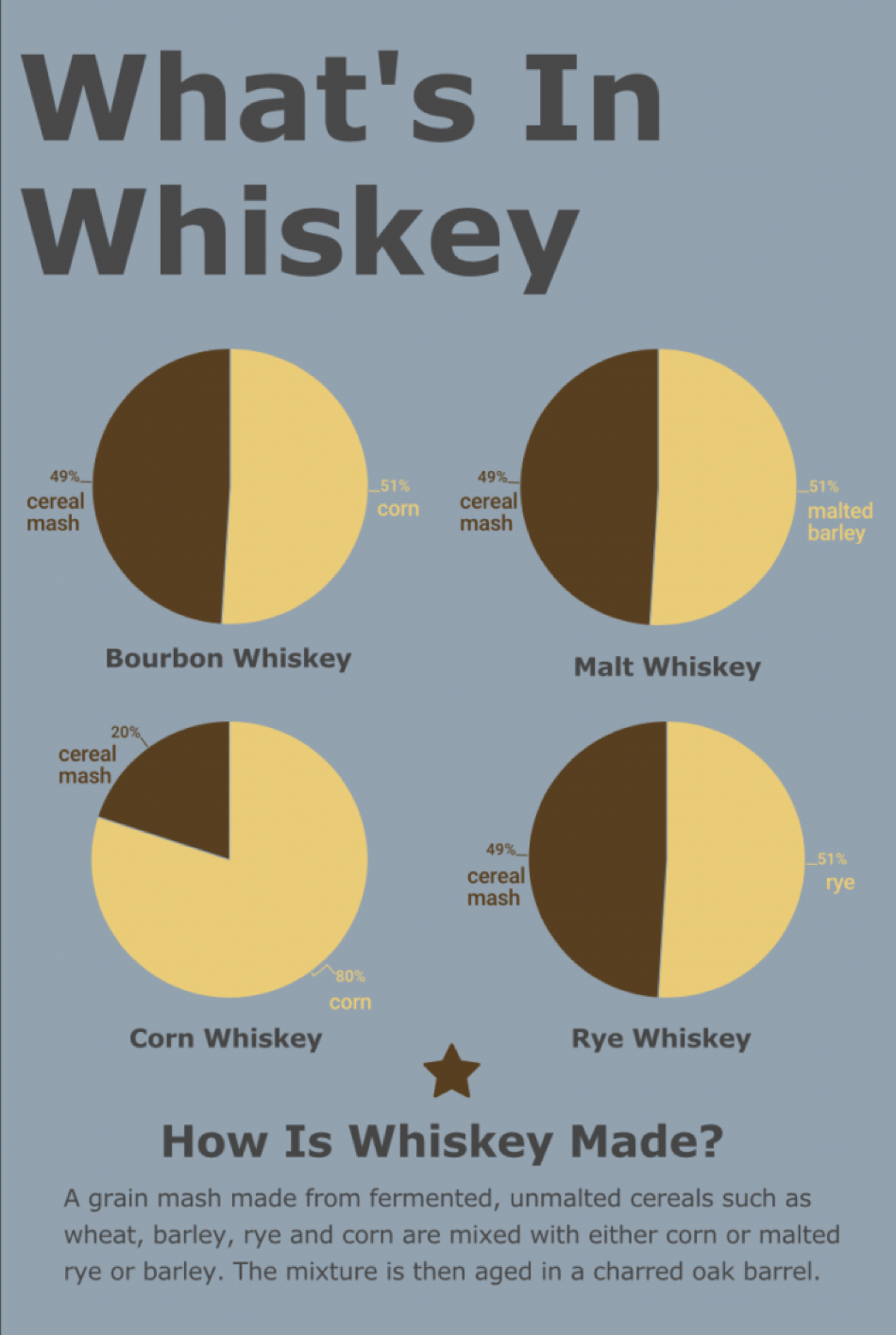
American whiskies are distilled from fermented cereal grain mash. They have a number of types of whiskey, each of which has very specific requirements that must be met to be described as such.
- Bourbon whiskey – mash must contain at least 51% corn, and the whisky must be aged in a new charred oak barrel.
- Corn whiskey – mash must contain at least 80% corn and is typically not aged. If it is aged, it will be done in an uncharred or used barrel.
- Rye whiskey – mash must contain at least 51% rye.
- Malt whiskey – mash must contain at least 51% malted barley.
- Wheat whiskey – mash must contain at least 51% wheat.
What Does American Whisky Taste Like?
American whiskies can offer diversity in flavour, although you can expect certain flavours depending on the key component of the mash.
American bourbon is sweeter and fuller due to its high corn content and new charred oak barrels. Whiskey with higher quantities of rye will likely offer a slightly spicy hint. Tennessee whiskey (such as Jack Daniel’s) undergoes charcoal filtration for extra smoothness.
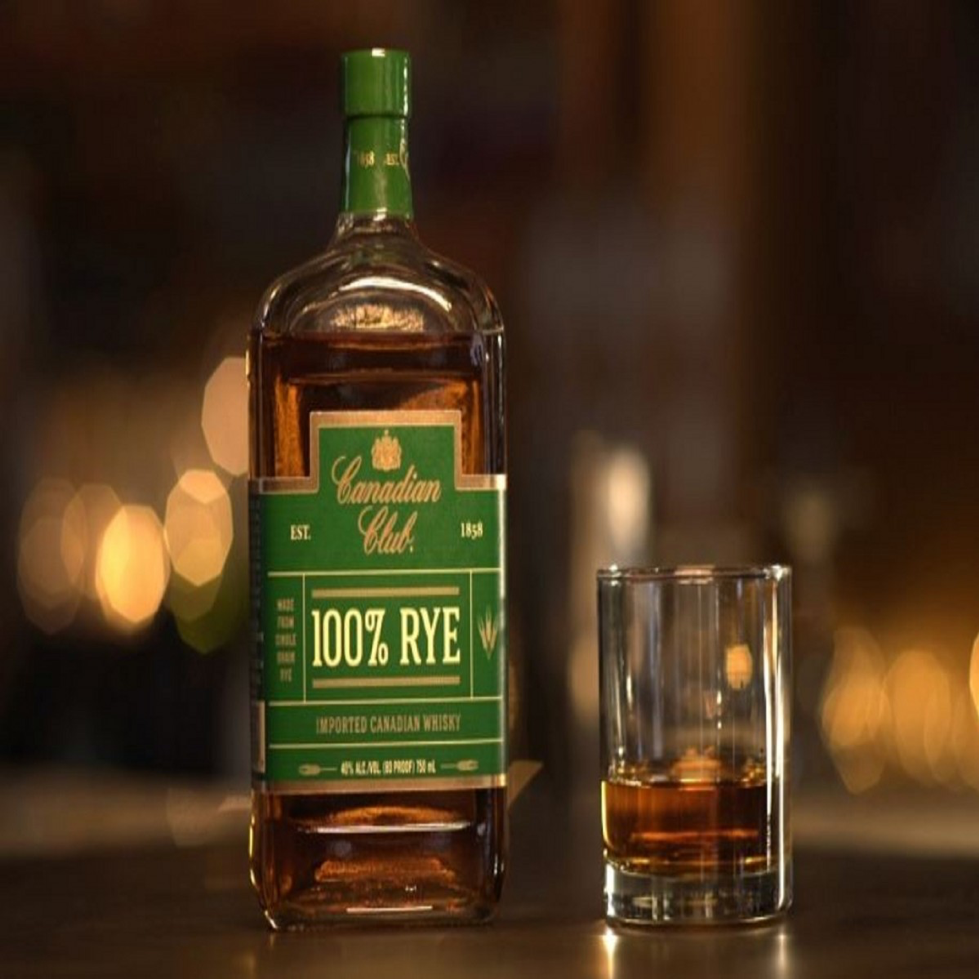
Canadian Whisky
Canadian whisky is typically blended, and made from a range of grains. Often, these grains will be fermented, distilled and matured separately, before being combined during the bottling process.
Canadian whiskies are typically comprised of a base whisky and a flavouring whisky. The base whisky is high strength but not too flavourful, while the flavouring whisky is distilled to a lower strength, but with a stronger flavour. The blend of the two offers the best of both, creating a well-balanced sip.
Canadian Rye
Rye is a common addition to Canadian whiskies and is used to add spicy notes. In Canada, whisky can be called ‘Rye’ regardless of how much rye it contains – in fact, it can be called ‘rye whisky’ even if it doesn’t contain any rye! On the other hand, there are Canadian rye whiskies that contain 100% rye.

Japanese Whisky
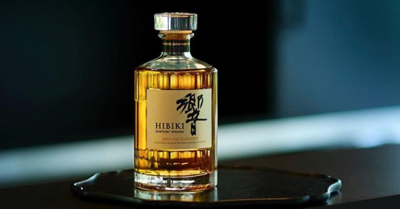
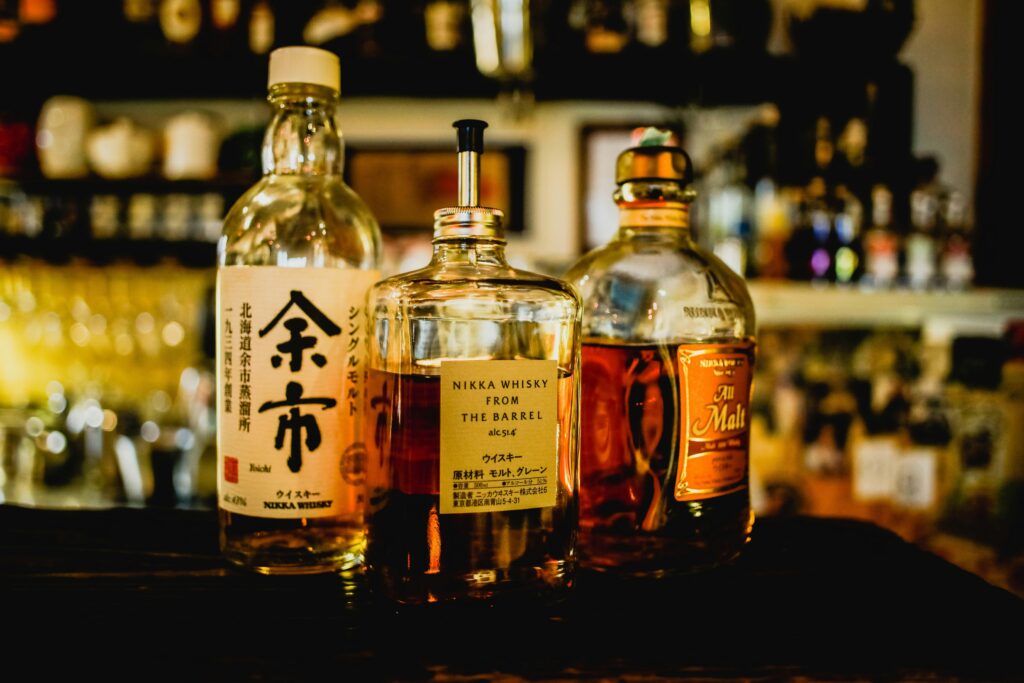
While Japan is a relative newcomer to the world of whisky, it has become one of the best-loved drinks for whisky lovers, with Japanese bottlings regularly picking up awards for ‘Best Whisky in the World’ and similar.
Japanese whisky is greatly inspired by Scotch, with the founder of Nikka Whisky starting off learning the art of whisky-making in distilleries near Glasgow.
What Does Japanese Whisky Taste Like?
Japanese whisky often focuses on balance, subtlety and precision, with a refined, sometimes delicate profile.
Japanese whisky is similar to Scotch, with bold complexities in each sip. It is often served either neat or as a Highball, with the whisky poured over ice with soda and a slice of lemon. In Japan, whisky is often drunk as an accompaniment to a meal.
Irish Whiskey
Irish whiskey is generally smoother due to triple distillation. It often shows notes of orchard fruit and gentle spice.
Alternative Whiskies
While we have covered the stricter rules of whisky making from each country, regarding the production techniques and grain quantities, this doesn’t mean that every single whisky in the world has to adhere to such rules.
In fact, there are plenty of outright whacky whiskies out there! From strange whisky distilling techniques like playing the whisky hip-hop or sending it to space to using alternative grains like quinoa, sorghum or millet.

How to Choose Whisky
Now you have a better understanding of what each type of whisky is, and the flavours whiskies from different areas offer, you may have an idea of which types you would like to try. Whether that’s the case or not, there are still a few things to consider when choosing a bottle of whisky.
Some quick ideas based on your flavour preferences:
- Prefer sweet and vanilla-forward? Try bourbon.
- Enjoy dried fruit and richness? Look for sherry-cask matured single malts like those from The GlenDronach.
- Love smoky flavours? Explore Islay malts.
- Want something lighter and approachable? Consider Irish whiskey.
It’s also important to remember that age statements can indicate maturity but not necessarily quality. Cask type and distillery style matter just as much.
Style
Do you want a single malt, single grain or blended whisky? This might not have much of an impact on the flavour – a blended whisky can be made to taste very similar to a single malt.
However, when it comes to quality, you may want to be wary. While this is by no means a steadfast rule, blended whiskies may contain lower-quality grains with a small amount of high-quality malt or grain to balance out the flavour.
You can probably tell if this is the case from the price point, but check out reviews from other whisky lovers if you want to be sure the whisky you’re interested in is worth it flavour-wise!
Price of Whisky
When it comes to whisky, the price will often determine the quality. But this will also depend on what you want the whisky for. If you just want to mix it with cola in a cocktail, then a £30 bottle of Jack Daniels can be satisfactory!
But, if you’re looking for a quality dram to sip neat, then you’re likely going to be looking over the £80 mark.
Whisky For Beginners
If you’re a complete beginner to whisky – or you’ve tried some and aren’t sold yet – then it may be an idea to try out a sweeter whisky.
While it is tempting to start off with a Scotch – which we’ve all heard wonderful things about – the smokiness and peatiness can be off-putting for beginners who are not used to the complex tastes of Scotch.
Instead, you could try an Irish or American whisky, which tends to be sweeter, with fruitier notes.
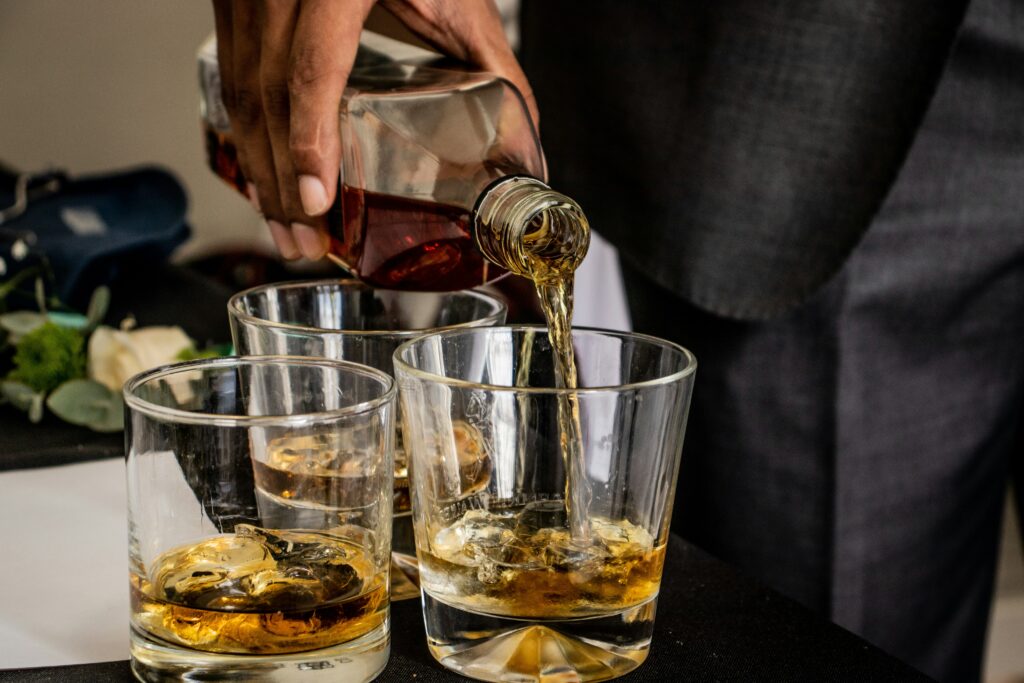
How to Drink Whisky
There is no single “correct” way to drink whisky, the best method is the one that suits your palate. Many enthusiasts begin by tasting whisky neat, meaning at room temperature without ice or mixers, so they can fully experience the aroma, texture and flavour profile.
Taking small sips rather than large gulps allows the whisky to coat the palate and reveal layers of character. If the alcohol feels too intense, adding a few drops of still water can soften the spirit and open up hidden aromas, particularly in higher-strength bottlings.
Ice is another option, especially for bourbon or robust styles, though it will chill and slightly mute the flavours as it dilutes. Ultimately, whisky is meant to be enjoyed, not endured; experimentation is part of the pleasure.
Enjoying Whisky
Once you’ve chosen the whisky you want to try, or have established a few bottles you enjoy, then you can work on ways in which to enhance the whisky drinking experience. Here are a few ideas of how to drink whisky:
- Neat – Served at room temperature without dilution.
- With Water – A few drops can open up aromas, especially in higher-strength malts.
- On the Rocks – Ice chills and slightly dilutes the spirit, softening intensity.
- In Cocktails – Bourbon works particularly well in classics like an Old Fashioned or Manhattan.
Do You Add Water to Whisky?
Something that has divided whisky lovers for many years is whether or not the spirit should be enjoyed with water. We’re not saying to fully dilute a shot of whisky with a glass of water, but rather simply adding a drop or two to the whisky.
It is argued that by adding a drop of water, the flavour and aroma of the whisky can be enhanced.
Alternatively, pop an ice cube in, as the coolness can help to reduce the intensity of the whisky; plus, as it melts, it can dilute the whisky too!
Try your whisky in a number of configurations, including with and without a drop of water or an ice cube, and discover which way you like best.
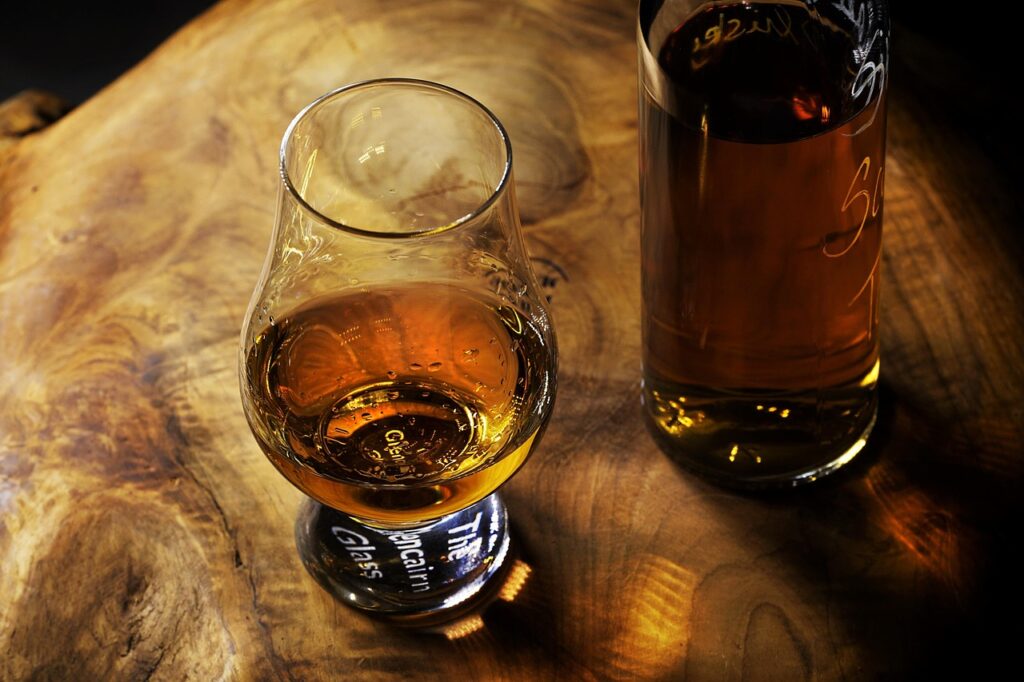
How to Drink Single Malt Whisky
Single malt whisky is often approached with a little more ceremony because it is crafted from 100% malted barley at one distillery and is typically designed to showcase nuance and regional character.
It is best served in a tulip-shaped glass, such as a Glencairn, which concentrates aromas toward the nose. Begin by gently nosing the whisky before sipping; much of what we perceive as flavour comes from aroma. Take a small sip and let it sit on your tongue, noticing sweetness, spice, fruit, smoke or oak.
A few drops of water can help release additional aromas, particularly in cask strength expressions. While some purists avoid ice with single malt, there are no rigid rules; personal enjoyment should always take priority.
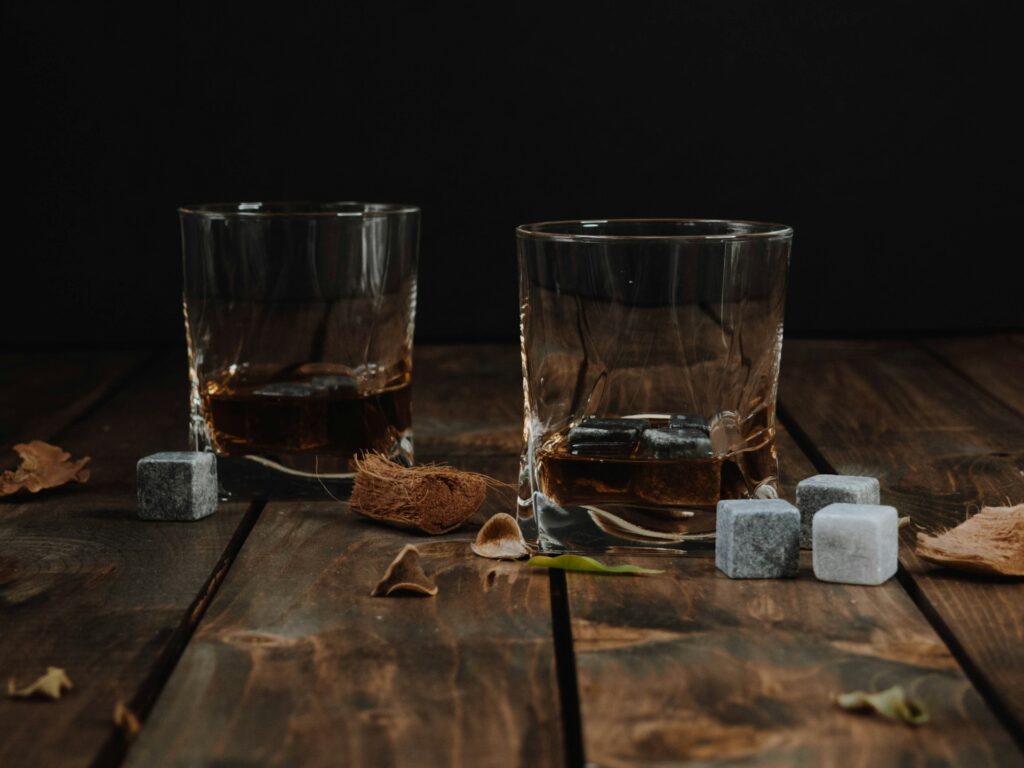
What Is a Whisky Stone?
A whisky stone is a small cube or rounded piece of stone, often made from soapstone or stainless steel, that is chilled in the freezer and placed into a glass of whisky to cool it without diluting it. Unlike ice, whisky stones do not melt, so they preserve the spirit’s strength and flavour concentration. This allows for your whisky to be slightly chilled without being diluted.
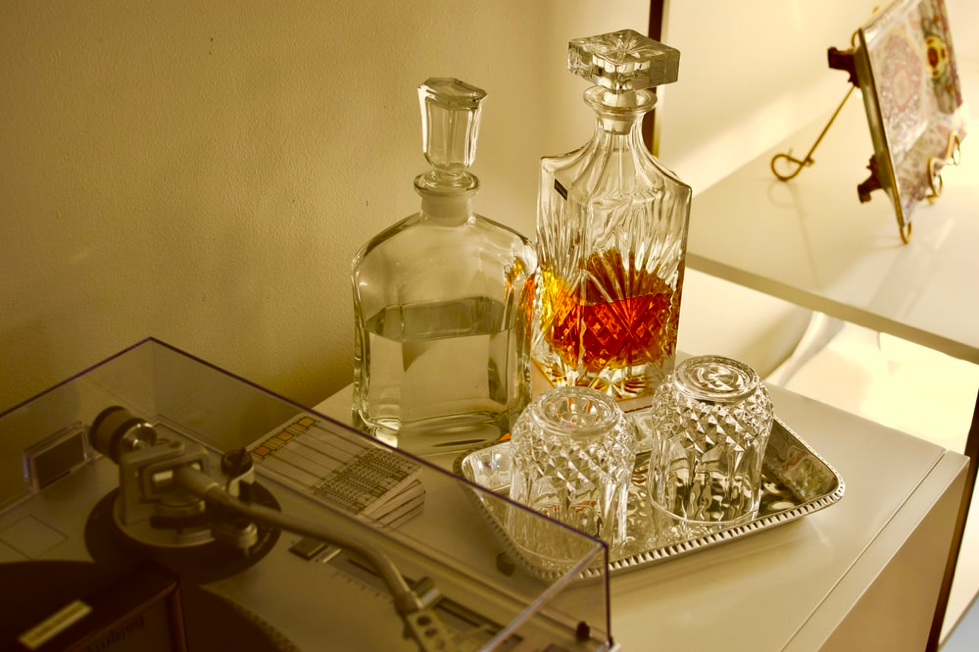
Do You Decant Whisky?
Often, when we see whisky drinking depicted on screen, the character pours themselves a dram from a fancy crystal decanter. While this looks fantastic and can really add a special something to a whisky shelf, the actual practice of decanting whisky is certainly for aesthetic purposes only.
Decanters were originally used when distilleries didn’t bottle whisky; instead, people would fill their decanter straight from the barrel. Now that whisky is bottled properly, decanters are largely redundant.
Some whisky lovers are under the impression that using a decanter will help the whisky to develop in terms of flavour, but this is not the case. Pouring whisky into a decanter will not affect the flavour, unless there is a small amount in the decanter and it is left for so long that oxidisation affects it.
If you are determined to use a decanter for your whisky collection, then make sure it is airtight, lead-free and has a bigger capacity than the bottle you are planning to empty into it!
Whisky Pairings
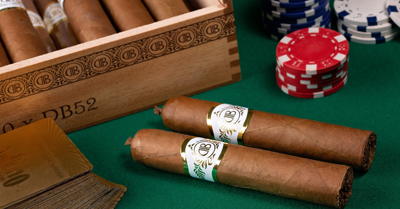
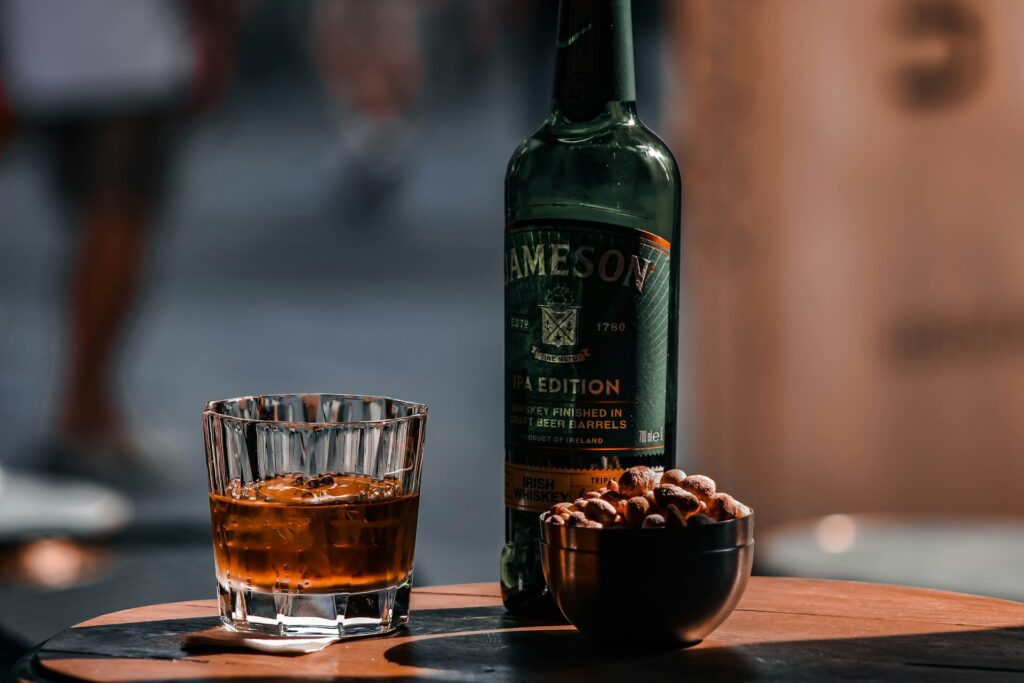
Another way to enhance the enjoyment of your whisky is to try pairing it with another item, like food or a quality cigar!
Pairing involves matching two things together that will complement and enhance the flavours and aromas of each. A good pairing needs to be equally matched in terms of intensity so that one item does not overwhelm the other.
Whisky pairs beautifully with:
- Dark chocolate (especially sherried malts)
- Blue cheese (contrasts smoky Islay styles)
- Smoked meats
- Dried fruits and nuts
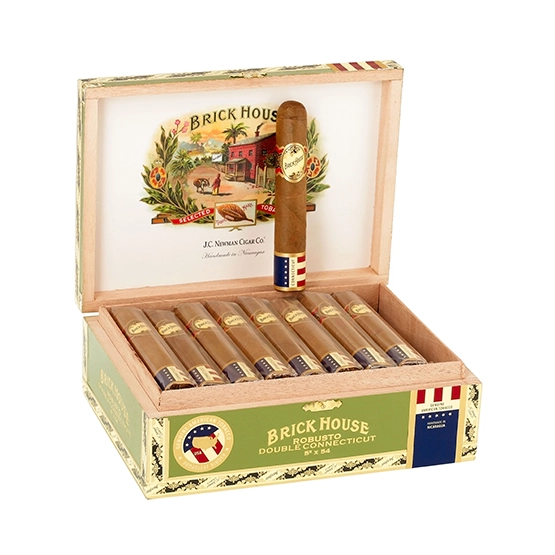
- Cigars

Whisky and Cigar Pairing
For example, a smokey and peaty Scotch would work excellently with a full-bodied cigar, as the bold flavours of each can easily compete. Likewise, a cigar with notes of spice or dried fruit could pair well with a glass of rye whiskey.
If you’re interested in smoking cigars, then take a look at our Japanese whisky and cigars pairing guide for more suggestions.
If you’re more into nibbles than cigars, then you can check out our whisky and cheese pairing guide instead!
Try a Cocktail
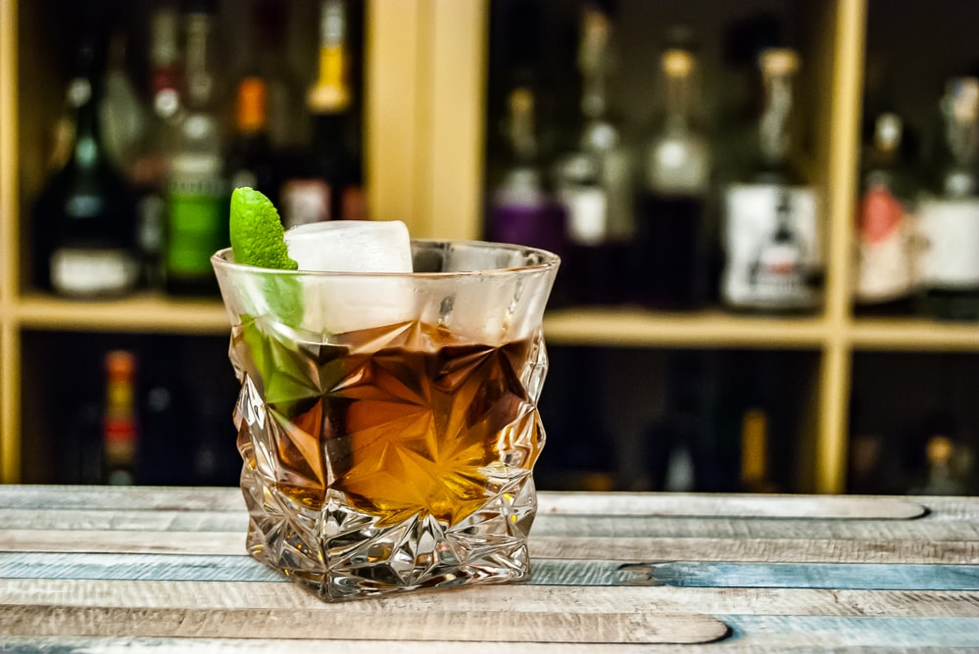
If you’re not enjoying straight whisky, or want to experiment with different flavours, then incorporating whisky into a cocktail can be a great idea. We’ve shared some of our favourite whisky cocktail recipes on the blog before:
Does Whisky Go Off?
Unlike wine, whisky does not “go off” in the traditional sense once bottled. Because it is a high-proof distilled spirit, it is stable and does not spoil or become unsafe to drink.
However, once opened, whisky is exposed to oxygen, and gradual oxidation can subtly affect flavour over time. This doesn’t mean it turns bad, but it may lose some vibrancy or complexity if left partially full for many years. Proper storage plays a significant role in preserving its character.
How Long Does Whisky Last Once Opened?
The key factor is the amount of air in the bottle. A nearly full bottle will change very slowly, whereas a bottle that is less than half full has more air inside, increasing oxidation and potentially dulling flavours over time. For best quality, it’s generally recommended to consume an opened bottle within one to two years, though many last longer if stored well.
How to Store Whisky
Whisky should be stored upright in a cool, dark place away from direct sunlight and temperature fluctuations. Unlike wine, whisky bottles should not be laid on their side, as prolonged contact with high-strength alcohol can degrade the cork.
Consistent temperature is important; extreme heat can accelerate flavour changes, while direct light may cause deterioration. Keeping the bottle tightly sealed and minimising air exposure will help preserve its original character for as long as possible.

Collecting and Investing
Once you’ve tried out a variety of whiskies and discovered how you best enjoy your dram, then it’s time to grow your collection!
If you love the taste of whisky, then growing your whisky collection can show off your passion for the drink and will always mean you have a bottle to hand when you want a particular tasting experience.
But some people take it further than this, crafting serious collections, or even investing in whisky.
If you’re not sure which way is right for you, then you can take a look at our collecting versus investing blog post for more information.
Is Whisky a Good Investment?
Whisky has increasingly become an alternative investment asset, with certain rare and limited releases achieving significant returns at auction. Bottles from respected distilleries, discontinued expressions or limited single cask releases can appreciate over time.
In fact, over the last decade, rare whisky has even outperformed gold as an investment. When you buy whisky as an investment, the idea is to leave the bottle unopened and to one day sell it on as a collector’s item for more money. This can be achieved by purchasing limited edition, rare or old bottles of whisky.
However, whisky investment is not guaranteed and requires research, careful storage and awareness of market trends. Provenance, condition, rarity and brand reputation all influence value. For most enthusiasts, buying whisky primarily for enjoyment, with investment as a possible bonus, is often the most balanced approach.
Collecting Whisky
If you’ve found a type of whisky you love, then you could begin to craft a collection around the specific areas you like about the whisky. For example, if you could collect whiskies from the same distillery or the same region as the one you like.
Alternatively, you could base it on a grain type, for example collecting rye whiskies from each country.
Frequently Asked Questions about Whisky
Is it Spelled Whisky or Whiskey?
One of the most common points of confusion when it comes to whisky – is it spelled whisky or whiskey? Simply put, the inclusion or lack of the letter ‘e’ in the word whisky/whiskey is down to regional variations in spelling.
“Whisky” is typically used in Scotland, Canada and Japan. “Whiskey” is used in Ireland and the United States.
Is Whisky Gluten Free?
Although whisky is made from gluten-containing grains, the distillation process removes gluten proteins. Most whiskies are considered gluten free, though those with sensitivities should check specific brands.
Does Whisky Help With a Cold?
There is no medical evidence that whisky cures a cold. While it may temporarily ease symptoms, it does not treat the underlying illness.
What is a whisky neat?
Whisky neat means whisky served without ice, water or mixers, at room temperature.
However you choose to enjoy your whisky is a personal preference left completely up to you, but hopefully, this guide has provided you with all you need to get started in the world of whisky!
Here at Havana House, we’re all about whisky and love nothing more than a good glass of Scotch alongside our favourite cigars. We’d love for more people to be able to enjoy the wonders of whisky and to be able to choose a bottle that’s right for them, so take a look at our selection available online and find your new favourite!